Projects
Our projects study individual differences in brain activity and develop machine learning methods for healthcare. Explore our work on lifespan brain dynamics with MEGaNorm, language-related EEG responses with P600Norm, and applications in personalized care and nurse staffing.
Featured
MEGaNorm develops normative models of brain function from large-scale MEG and EEG data across the human lifespan. These models enable individualized assessment of brain dynamics and support research toward precision neuropsychiatry. The project is funded through a starter grant awarded to the principal investigator.
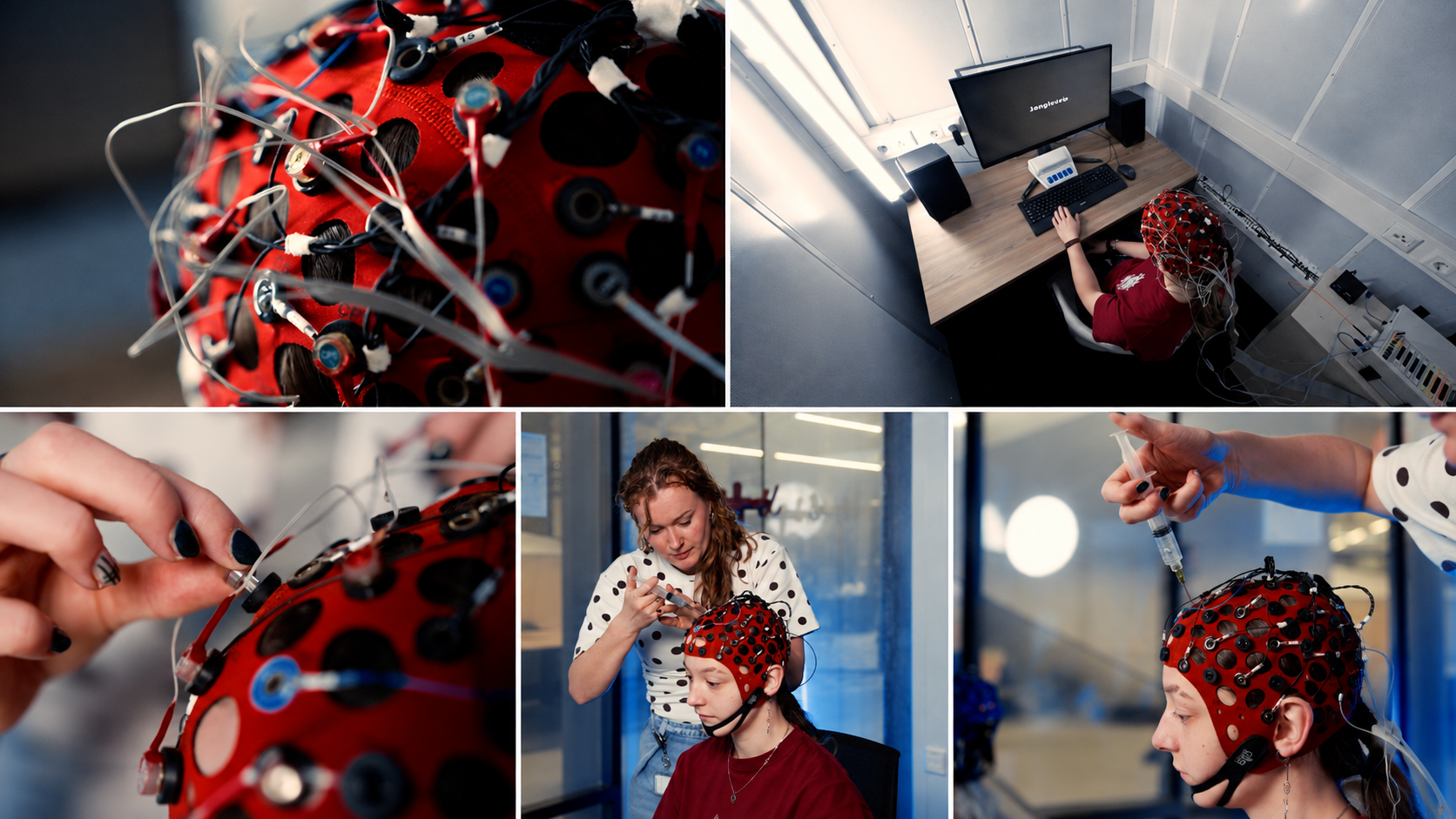
This project uses brain signals and machine learning to support diagnosis and outcome prediction in mental disorders. By modeling individual variability in neural responses during language comprehension, it contributes to more personalized and effective mental health care. The project is funded by the NWO within NWA within the Routes scheme (NeuroLab).
More

This project develops normative models of functional brain activity using large-scale EEG data from healthy aging populations. It is funded by the Growth Projects programme of Digital Sciences for Society at Tilburg University.
This project develops a machine learning–based system to predict nurse-perceived staffing adequacy using routinely collected hospital operational data. It is funded by the Growth Projects programme of Digital Sciences for Society at Tilburg University.
U-Heal develops a human-centered and explainable AI framework for smart psychiatric care in patients with psychosis. This project shifts the focus from clinician-facing tools to patient-centered decision support. The project is funded by the EWUU alliance.